

Risks when installing home insulation
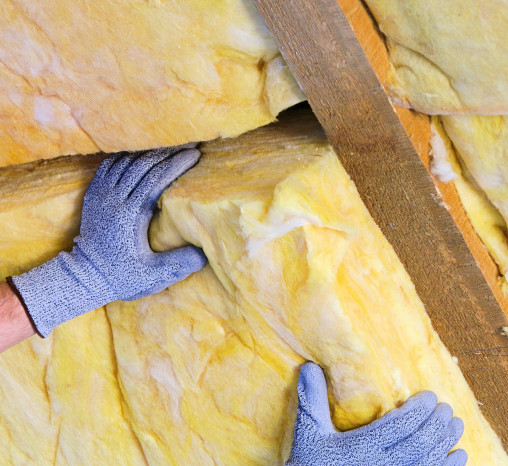
Designers, installers and councils need to ensure home insulation is installed safely and correctly, so that it is fit for purpose and meets the required R-values.
Underfloor foil insulation
A ban has been declared on the installation and/or repair of foil insulation in residential buildings with existing electrical installations due to safety concerns associated with the method of attaching the foil to the building.
Current warnings and bans issued under the Building Act has further information.
Insulation over downlights
Incorrect installation of thermal insulation over downlights can present a risk of fire in buildings. Downlights (especially halogen) can generate considerable heat and when thermal insulation is installed over existing lights a risk of fire may be introduced.
You should not use loose-fill insulation in a ceiling cavity that has downlights, unless the downlight manufacturer provides specific instructions for this.
Insulation must be installed with safe gaps between the insulation and downlights. You can follow the specifications made by downlight manufacturers or the recommended clearances in NZS 4246.
Installing or retrofitting downlights
Downlights installed in the insulated ceiling of a new or existing house must comply with the Electrical Safety Regulations and be classed CA80, CA135, IC or IC-F.
An electrical practitioner should install downlights, and must be certified if it includes installing conductors and connecting downlights to them.
Contact us if you have any questions on understanding the Building Code or the performance based system.
Retrofitting insulation in external walls
Unlike retrofitting ceiling and underfloor insulation, retrofitting insulation in external walls requires either a building consent or a discretionary exemption from the territorial authority.
Building consent applications for retrofitting wall insulation needs to cover all the associated building work. The application must show that the retrofit will comply with the Building Code and that the performance of the existing building will not be adversely affected.